


The ER16 Water Cooled Spindle offers a perfect blend of precision and versatility. Supporting larger tool shanks than the ER11, it allows for more aggressive carving and cutting while still being highly accurate for detailed work. The water-cooling system ensures consistent performance whether you're roughing or finishing.
■ Product Description
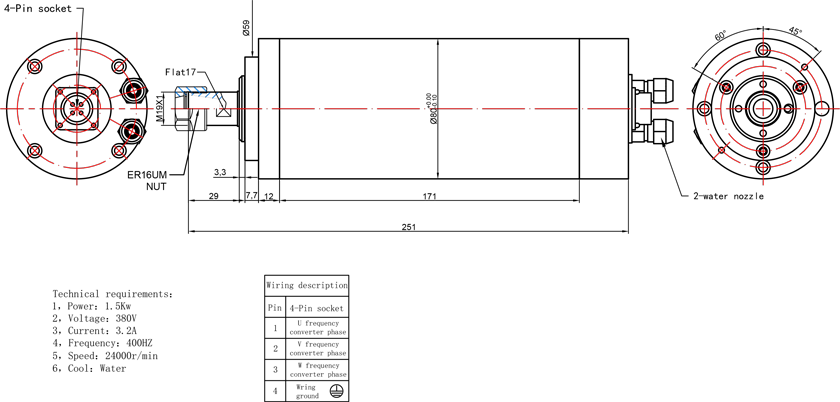
■ Technical Parameters
| Model | STZ80-1.5-ER16 |
| Power | 1.5kW |
| Voltage | 220V |
| Current | 6.0A |
| Poles | 2 |
| Torque | 0.6Nm |
| Speed | 24000rpm |
| Frequency | 400Hz |
| Cooling | Water |
| Tool interface | ER16 |
■ Product Advantages

ER16 Collet's Precision Clamping Capability
The ER16 collet (typically max clamping 10mm) offers higher radial accuracy and concentricity compared to larger collets. This is crucial for applications requiring fine engraving and complex contour milling with small-diameter, high-precision tools, ensuring excellent machining quality.
Excellent Temperature Rise Control
The water circulation system efficiently removes heat from inside the spindle, maintaining an extremely low temperature rise even during prolonged continuous, high-speed operation. Stable temperature directly ensures the spindle's thermal stability and long-term operational accuracy.
Extremely Low Operating Noise
Adopting a water-cooled structure eliminates the need for forced fan cooling, thereby eliminating wind noise. It runs significantly quieter than air-cooled spindles, providing a more comfortable and quieter working environment for the operator.
Ideal Medium-to-Light Precision Machining Power (1.5kW)
The power is moderate, providing stable and reliable motivation to meet the needs for fine milling, drilling, and polishing of materials like wood, plastics, and light alloys using precision tools.
Compact and Appropriate Size
The 1.5kW/ER16 configuration has a moderate size and weight, making it easy to integrate into small-to-medium CNC machines or multi-head equipment.
■ Application Scenarios
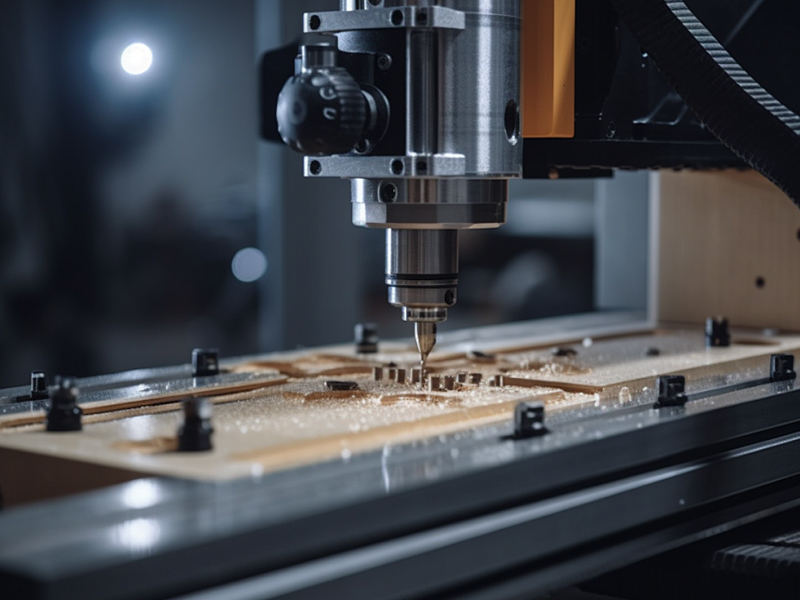
High-Precision Fine Engraving
Applicable to detailed carving, lettering, and miniature relief in fields such as jewelry, soft jade, precision crafts, seals, and badges.

Precision Electronics Industry Applications
Used for precision drilling, cutting, and V-cutting of Printed Circuit Boards (PCBs), or fine machining of small electronic component casings.
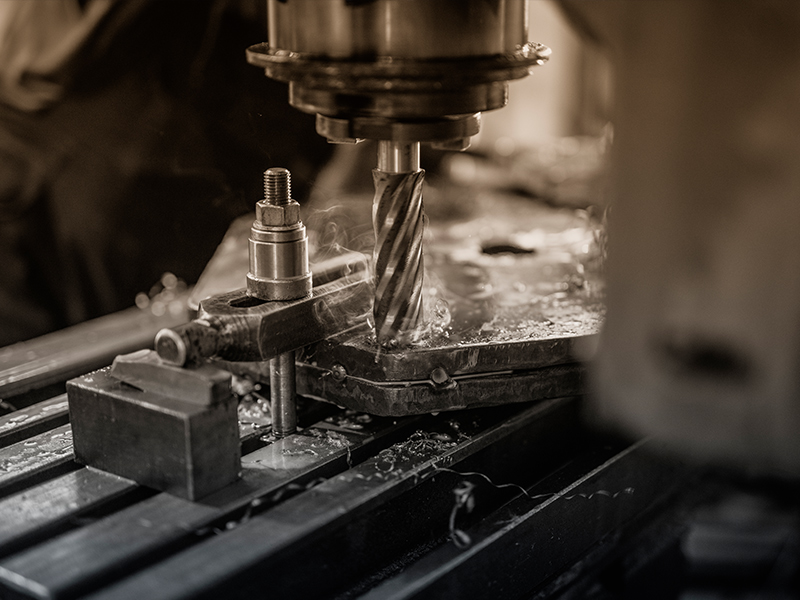
Small Precision Mold Manufacturing
Performing high-precision, small-diameter tool milling and finishing of materials like wax molds, resin, and artificial wood, striving for excellent surface finish and geometric accuracy of the parts.
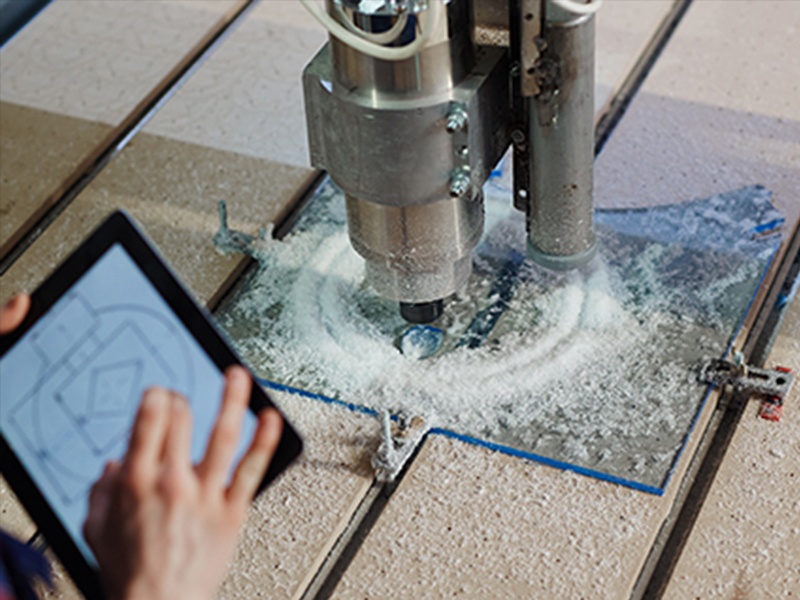
Medical and Scientific Research Prototyping
Suitable for laboratories or R&D centers for machining high-precision, small-sized prototypes, where strict control over ambient noise is required.
■ Adapted Equipment
● High-Precision CNC Engraving Machines
Equipment dedicated to precision crafts, seals, and small mold making.
● Desktop/Small Precision Machining Centers
Machining platforms used for high-precision parts, circuit boards, or precision molds.
● Multi-Head/Multi-Axis Engraving Machines
Used on equipment where multiple spindles must work simultaneously, and where there are restrictions on the precision and noise of each spindle.
● Precision Automated Workstations
Customized machines used for fine, automated production of small products.
■ FAQ
Q: Why choose a water-cooled spindle?A: They have good heat dissipation, low noise, and high machining accuracy.
Q: What should be paid attention to in the daily maintenance of a water-cooled spindle?A: Use clean water (purified water), change the water regularly, and remember to use antifreeze in winter.
Q: How to choose the right power for a water-cooled spindle?A: 3.2kW and below: Suitable for engraving wood, plastic, and other materials.
5.5kW and above: Suitable for processing hard materials like metal and stone.
Q: Why does the spindle get hot?A: If the water isn't circulating (for example, if the pump is broken or the pipe is blocked), the spindle will overheat.
Q: What type of water is best for cooling?A: It's best to use purified or distilled water.
Q: How big should the water tank be for the cooling system?A: The bigger the water tank, the better the heat dissipation. A 10-20 liter tank is generally sufficient for a small spindle.


