


Choosing Between Air-Cooled and Water-Cooled CNC Router Spindle Motors
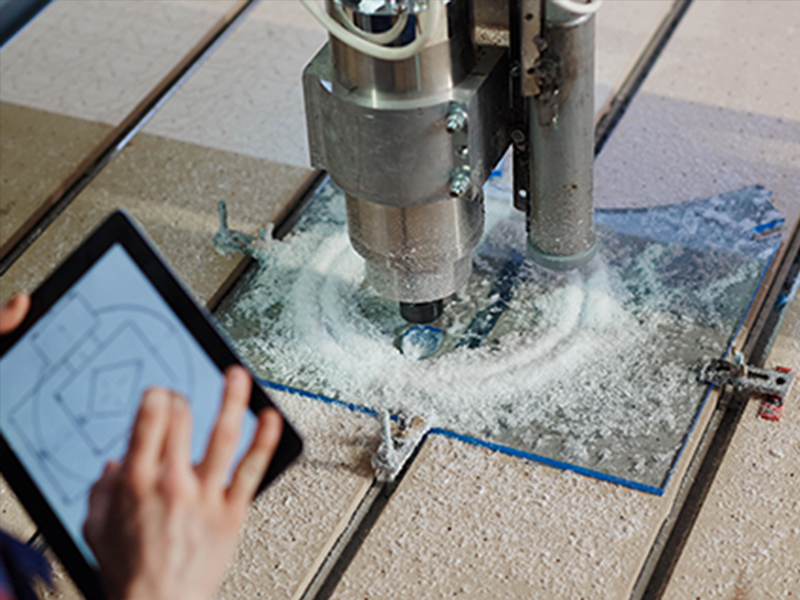
When it comes to CNC router performance, the spindle motor is the heart of your machine—and choosing the right cooling system can make or break your productivity. The decision between air-cooled and water-cooled spindle motors isn't just about temperature control; it's about matching your specific needs with the right technology to maximize efficiency, precision, and return on investment.
As CNC technology advances, both cooling methods have evolved significantly, each offering distinct advantages for different applications. Whether you're running a small woodworking shop, a metal fabrication business, or a high-volume production facility, understanding these differences is crucial for making an informed decision that aligns with your operational requirements and budget constraints.
Key Takeaways
Cooling Mechanism: Air-cooled spindles use internal fans and external fins for heat dissipation, while water-cooled models circulate coolant through sealed systems for superior thermal management
Performance Characteristics: Water-cooled spindles excel in long-duration, high-precision applications, while air-cooled versions offer simplicity and lower maintenance
Application Suitability: Air-cooled spindles are ideal for woodworking, plastics, and general-purpose machining, whereas water-cooled systems dominate in metalworking, stone carving, and high-precision industries
Operational Considerations: Installation complexity, maintenance requirements, and environmental factors significantly influence the optimal choice for your workshop
Cost Analysis: While air-cooled spindles typically have lower upfront costs, water-cooled systems often provide better long-term value through extended lifespan and consistent performance
Understanding the Core Technologies
How Air-Cooled Spindle Motors Work
Air-cooled CNC router spindle motors employ a straightforward yet effective cooling system. An internal fan draws ambient air through ventilation channels, passing it over the motor's heat-generating components before expelling it through external fins. This convection-based approach creates continuous airflow that prevents overheating during operation.
The simplicity of this design offers several practical advantages. With no external plumbing required, installation is typically plug-and-play, making air-cooled spindles particularly appealing for smaller workshops or mobile applications. The 80mm air-cooled spindle, for instance, uses an industry-standard mounting diameter that simplifies integration with existing CNC router frames and brackets.
How Water-Cooled Spindle Motors Work
Water-cooled systems represent a more sophisticated approach to thermal management. These spindles feature a sealed water jacket surrounding the motor housing, through which coolant continuously circulates. A separate pump and reservoir system maintains fluid flow, efficiently transferring heat away from critical components.
This closed-loop system provides exceptional thermal stability, as water has approximately four times the heat capacity of air. The result is consistently low operating temperatures even during extended machining sessions or when handling tough materials. For operations requiring uninterrupted production cycles, this thermal consistency translates directly to dimensional accuracy and surface finish quality.
Performance Comparison: Key Factors to Consider
Heat Dissipation Efficiency
The fundamental difference between these cooling methods lies in their heat transfer capabilities. Water-cooled spindles typically maintain operating temperatures 20-30% lower than their air-cooled counterparts under similar loads. This temperature advantage becomes particularly significant in applications involving:
Continuous operation exceeding 4-6 hours
High-power cutting (above 3kW)
Hard materials like metals, stone, or composites
Environments with limited ventilation
Air-cooled systems, while less efficient at heat transfer, excel in applications where thermal management requirements are moderate. Their performance remains stable for typical woodworking, plastic fabrication, and light-duty metal engraving tasks.
Noise Levels and Workshop Environment
Operational noise represents another critical distinction. Air-cooled spindles generate noticeable fan noise—typically 65-75 decibels at one meter—which can impact workshop comfort and communication. The cooling fans create a constant background hum that some operators find distracting during precision work.
Water-cooled systems operate significantly quieter, usually below 55 decibels. The absence of internal fans eliminates that characteristic whirring sound, creating a more pleasant working environment. This acoustic advantage makes water-cooled spindles preferable for educational settings, shared workspaces, or facilities with noise restrictions.
Precision and Thermal Stability
Thermal expansion poses the greatest threat to machining precision. As spindle components heat up, microscopic dimensional changes occur that can affect tool positioning and cutting accuracy. Water-cooled systems minimize this thermal drift through their superior heat dissipation, maintaining consistent tolerances even during prolonged operation.
For applications demanding tight tolerances—such as mold making, aerospace components, or medical device manufacturing—this thermal stability is non-negotiable. Water-cooled spindles typically maintain runout within 0.005mm or better throughout extended operation, while air-cooled models may experience slight accuracy degradation as internal temperatures rise.
Application-Specific Recommendations
Ideal Applications for Air-Cooled Spindle Motors
Air-cooled systems shine in specific operational contexts:
Woodworking and Cabinetry: From intricate carvings to panel processing, air-cooled spindles provide sufficient cooling for most wood species
Plastic and Acrylic Fabrication: These materials generate minimal heat during cutting, making air cooling perfectly adequate
Educational and Hobbyist Settings: Simplified installation and maintenance appeal to beginners and training environments
Mobile or Temporary Setups: The absence of water lines makes these spindles ideal for job-site work or demonstrations
Budget-Conscious Operations: Lower initial investment suits startups or workshops with limited capital
The 1.5KW air-cooled spindle exemplifies this category's versatility, offering balanced performance for small CNC routers, PCB drilling, and light-duty milling across various materials.
Optimal Uses for Water-Cooled Spindle Motors
Water-cooled systems excel where performance demands are highest:
Metal Machining and Fabrication: Aluminum, steel, brass, and other metals generate substantial heat during cutting
Stone and Composite Material Processing: These abrasive materials require consistent cooling for tool longevity
High-Precision Industries: Aerospace, automotive, and medical device manufacturing demand unwavering accuracy
Production Environments: Facilities running multiple shifts or continuous operations benefit from sustained performance
High-Power Applications: Spindles above 3KW almost universally require water cooling for reliable operation
The 2.2KW water-cooled spindle demonstrates this category's capabilities, providing the muscle needed for harder materials and faster feed rates while maintaining optimal operating temperatures.
Technical Specifications Comparison
| Feature | Air-Cooled Spindle Motors | Water-Cooled Spindle Motors |
|---|---|---|
| Cooling Method | Internal fan + external fins | Sealed water circulation system |
| Typical Power Range | 300W - 7.5KW | 800W - 15KW+ |
| Maximum Continuous Runtime | 4-6 hours (varies by power) | 8+ hours (with proper cooling) |
| Noise Level | 65-75 dB | 50-60 dB |
| Installation Complexity | Low (plug-and-play) | Medium (requires plumbing) |
| Maintenance Requirements | Low (periodic cleaning) | Medium (coolant monitoring/changing) |
| Initial Investment | Lower | Higher (includes cooling system) |
| Operating Temperature | 40-60°C (varies with ambient) | 25-35°C (stable) |
| Precision Stability | Good for most applications | Excellent for high-precision work |
| Environmental Sensitivity | Sensitive to dust/debris | Sensitive to coolant quality |
Cost Analysis and Return on Investment
Initial Investment Considerations
The upfront cost difference between these systems extends beyond the spindle itself. Air-cooled models typically represent the more economical choice initially, as they require no additional components beyond standard electrical connections. A complete air-cooled spindle system might include only the motor, collets, and mounting hardware.
Water-cooled systems involve additional expenses for:
Cooling pump and reservoir
Tubing and fittings
Coolant fluid (distilled or purified water recommended)
Potential filtration systems
Winterization components for cold climates
However, this initial investment often pays dividends through extended component life and reduced downtime.
Long-Term Operational Costs
When evaluating total cost of ownership, consider these factors:
Air-Cooled Systems:
Lower energy consumption (no pump operation)
Minimal consumable costs
Simpler troubleshooting and repair
Potential for reduced lifespan in demanding applications
Water-Cooled Systems:
Higher energy use (pump operation)
Coolant replacement costs
More complex maintenance procedures
Typically longer service intervals and lifespan
Reduced tool wear through better temperature control
For operations running multiple shifts or processing challenging materials, the extended tool life and reduced spindle replacement frequency of water-cooled systems often justify their higher initial cost within 12-18 months of operation.
Maintenance and Operational Considerations
Air-Cooled Spindle Maintenance
Proper maintenance ensures optimal performance and longevity:
Regular Cleaning: Remove dust and debris from cooling fins monthly using compressed air
Bearing Inspection: Listen for unusual noises indicating bearing wear
Electrical Connections: Check terminals quarterly for tightness and corrosion
Mounting Integrity: Verify spindle alignment and mounting bolt torque every 6 months
Environmental Control: Maintain workshop cleanliness to prevent dust ingress
The simplicity of air-cooled systems makes them particularly suitable for operations without dedicated maintenance personnel or those in dusty environments where water systems might clog.
Water-Cooled Spindle Maintenance
Water-cooled systems require more attentive care but offer predictable maintenance schedules:
Coolant Quality: Use distilled or purified water with corrosion inhibitors; change every 3-6 months
System Inspection: Weekly checks for leaks, pump operation, and reservoir levels
Temperature Monitoring: Regular verification of inlet/outlet temperature differentials
Winter Precautions: Add antifreeze or drain systems in freezing conditions
Pump Maintenance: Annual inspection of pump impellers and seals
Properly maintained water-cooled systems can operate reliably for thousands of hours, with many industrial applications reporting 5-7 years of continuous service before major overhaul.
Making the Right Choice: Decision Framework
Assessment Questions for Your Operation
Answer these questions to guide your selection:
What materials will you primarily process?
Wood/plastics only: Air-cooled likely sufficient
Metals/stone/composites: Strongly consider water-cooled
What are your precision requirements?
General tolerance (±0.1mm): Air-cooled acceptable
High precision (±0.025mm or better): Water-cooled recommended
What is your typical production schedule?
Intermittent use (<4 hours continuous): Air-cooled suitable
Extended runs (>6 hours): Water-cooled advantageous
What is your workshop environment?
Clean, climate-controlled: Both options viable
Dusty, variable temperature: Air-cooled simpler to maintain
What is your technical expertise level?
Limited maintenance experience: Air-cooled more forgiving
Experienced with fluid systems: Water-cooled manageable
What is your budget allocation?
Limited capital: Air-cooled lower initial cost
Focus on long-term ROI: Water-cooled better value
Hybrid Considerations
Some operations benefit from maintaining both spindle types:
Primary/Backup Configuration: Use water-cooled for precision work, air-cooled for general tasks
Material-Specific Allocation: Dedicate water-cooled spindles to metals, air-cooled to woods/plastics
Scalability Planning: Start with air-cooled for initial operations, add water-cooled as precision demands increase
Frequently Asked Questions
Engineering Excellence with WHD Spindle Motor
Selecting between air-cooled and water-cooled CNC router spindle motors represents more than a technical decision—it's an investment in your operation's productivity and quality. With over 30 years of spindle manufacturing expertise, WHD Spindle Motor brings unparalleled insight to this critical choice.
Our engineering team understands that every workshop has unique requirements. That's why we offer comprehensive ranges of both air-cooled and water-cooled spindle solutions, each designed and tested to deliver reliable performance in their intended applications. From our efficient 800W air-cooled models perfect for detailed engraving to our robust 7.5KW water-cooled systems engineered for marathon production runs, every WHD spindle reflects our commitment to precision, durability, and value.
The WHD difference extends beyond product specifications. Our strict quality management system, backed by ISO 9001 certification, ensures each spindle meets exacting standards before shipment. Our technical support team provides application guidance to help you select the optimal cooling solution for your specific materials, production volumes, and precision requirements.
Whether you're establishing your first CNC operation or upgrading existing equipment, partnering with WHD means accessing decades of spindle engineering experience. We don't just sell components—we provide solutions that increase the value and capability of your machinery. Contact our technical experts today to discuss your application needs and discover how the right spindle cooling solution can transform your machining productivity.

